

Protecting Kiwi Animals in a Warming World
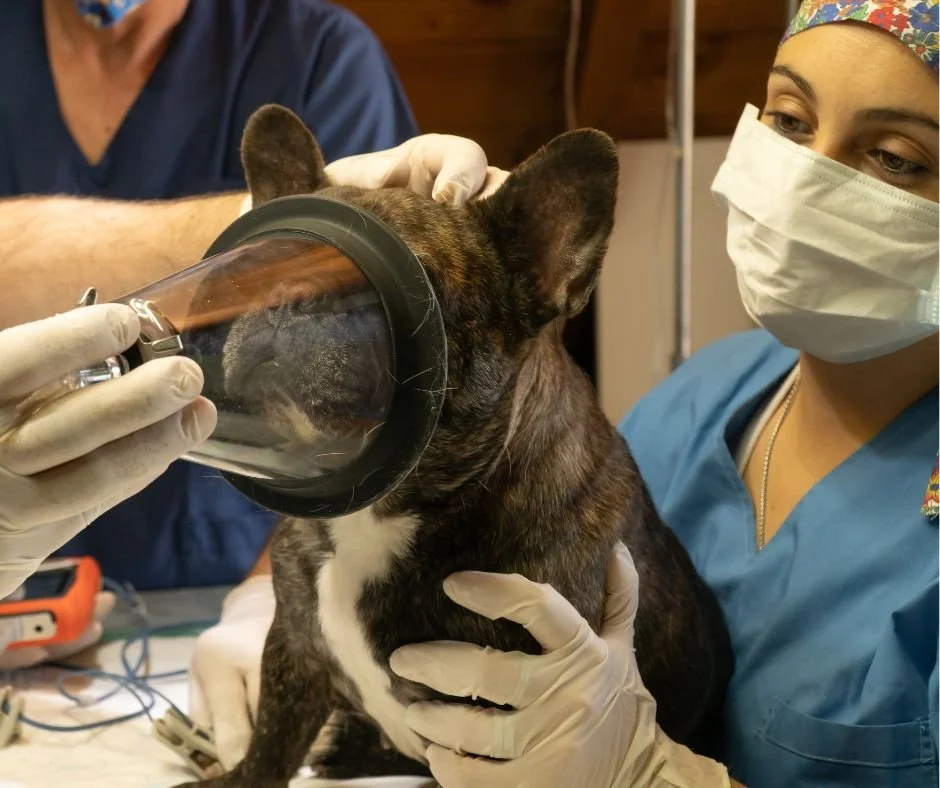
When we think about climate change, we often picture melting glaciers or rising sea levels.
But vets and vet nurses are witnessing its effects on a completely different front: right on their examination tables, in agricultural fields, and throughout fragile wildlife ecosystems.
Veterinary professionals are deeply concerned about climate change because environmental shifts directly threaten animal welfare, global food security, and public health.
Now, the veterinary community is sounding the alarm. Here are some of the reasons why.
New parasites and diseases in New Zealand
Warmer temperatures and altered rainfall patterns are creating paradise-like conditions for vectors such as ticks, mosquitoes, and fleas.
Expanded ranges: Parasites are moving into geographic regions that were previously too cold for them to survive.
Extended seasons: Shorter, milder winters mean these pests stay active longer into the year, increasing the window of time animals (and humans) can be infected.
Heat stress
Animals experience heat differently than humans, and rising global temperatures present distinct physiological challenges:
Companion animals: Dogs and cats cannot sweat efficiently to cool down. Vets are seeing an uptick in severe heat exhaustion and fatal heatstroke, especially in flat-faced (brachycephalic) breeds like French Bulldogs or Pugs.
Livestock: High temperatures lead to heat stress in cattle, poultry, and swine. This suppresses their immune systems, leaving them highly vulnerable to infections, metabolic disorders (like ketosis), and lameness, while drastically reducing milk and meat production.
Wildlife: Extreme heatwaves have caused catastrophic mass-mortality events, such as thousands of fruit bats literally falling dead from the sky due to heat stroke.
The toll of extreme weather events
Veterinarians are among the first responders during climate-driven disasters, treating trauma, burns, and smoke inhalation.
Unprecedented cyclones, wildfires, and floods kill billions of wild animals, destroy native habitats, and displace domestic livestock and family pets.
Wildbase Hospital in Palmerston North is an example of veterinary services being stretched by increased storms. Manager Megan Jolly says, "With climate change, and the increase in frequency and severity of storms, we are seeing a lot more seabirds dumped on New Zealand's shores." At the end of April, the hospital received four injured albatrosses in a week - a pattern they don’t usually expect until winter weather hits.
That takes a mental toll on vets and vet nurses. Managing the sheer volume of suffering during these emergencies places an immense emotional burden on veterinary teams.
Food and water insecurity
Climate change alters the foundational resources animals need to survive: nutritious food and clean water.
Malnutrition: Prolonged droughts degrade pasture quality and reduce crop yields, leaving livestock undernourished and weak.
Contaminated water: Flooding and rising water temperatures promote toxic blue-green algae blooms in lakes and ponds. When animals drink this water, it can cause rapid, fatal poisoning.
What are vets doing about it?
In New Zealand, veterinary professionals are adapting to climate change by tackling environmental threats across agriculture and conservation.
In the food production sector, production vets focus on optimising herd health to lower agricultural methane emissions, implementing on-farm heat stress protocols, and managing the post-flood spread of climate-driven diseases like leptospirosis.
Wildlife veterinarians work closely with the Department of Conservation to monitor fragile ecosystems, treating native fauna impacted by severe weather disruptions and tracking climate-shifting pathogens like Aspergillosis which causes a fungal pneumonia in vulnerable species like the kākāpō.
In urban settings, companion animal vets are adjusting to milder, shorter Kiwi winters by prescribing year-round flea and tick preventatives to combat expanding pest populations and running heat-stroke prevention campaigns for vulnerable breeds.
Vets are on the front line of climate change
Veterinarians understand that human health, animal health, and environmental health are fundamentally linked. Because over 60% of infectious diseases in humans are zoonotic (originating in animals), an environment that stresses animals and alters their habitats inevitably increases the risk of new diseases spilling over into the human population.
Ultimately, vets are on the front lines, advocating for sustainable veterinary practices, climate-resilient farming, and stronger environmental policies to protect the creatures that cannot speak for themselves.
Join the discussion
Vets and vet nurses are joining a Climate Change Workshop - the internationally acclaimed Climate Fresk - on 22 June, as part of the 2026 NZVA & NZVNA Conference.